
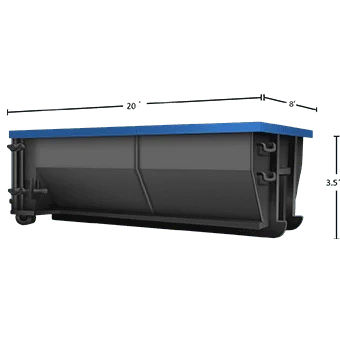
Temporary containers for accepted debris
Dumpster hire provides a container in which provider-accepted debris can be held while a cleanup, renovation or other project is underway. Describe what the work will produce and who will load it; container hire does not automatically include a team to clear the property.
The amount of space a load occupies and the weight of its materials are different selection questions. Ask the provider to assess both against its offered containers and loading conditions, then confirm hire dates, delivery, collection and any disposal-related inclusions in the quote. The material and access checks below remain part of that order.
Identify accepted contents before loading
For a Raleigh cleanup, the container position should work for the people loading it and the vehicle removing it. Start with the material list and the actual site layout.
Describe the project, likely debris and dense or unfamiliar items. Ask for material restrictions and fill instructions. Do not treat a general container as a disposal route for liquids, chemicals or portable-toilet waste.
Keep the loading route practical
Locate the container on an approved surface with room for loading and retrieval. Consider pedestrian paths, nearby doors and other equipment. If a street or public-space position is proposed, confirm the appropriate permission rather than assuming a rental order covers it.
Coordinate the last load and the pickup
Tell the provider whether debris arrives steadily or in a final burst. Decide between an exchange and final removal, then keep access available through that visit. Review duration, disposal, transport and changed-load terms in the quote. A venue’s wider cleanup remains a separate responsibility.
Questions before you book
Can I place the container beside the toilet bank?
Ask for a layout review so loading activity and collection do not block toilet use or servicing.
Can unknown material be added at the end?
Clarify acceptance before loading it, rather than creating an uncertain final load.